Why Choosing the Wrong Boat Type Could Cost You Thousands
First-time boat buyers often find themselves overwhelmed by the sheer variety of vessels available. Walk into any marina or browse online listings, and you’ll encounter dozens of hull shapes, configurations, and purpose-built designs. The confusion is understandable—each boat type serves different needs, and the terminology alone can feel like learning a new language.
📋 Quick Summary
- Choose Right Boat: Avoid Thousands in Losses
- Wrong Boat: Unused, High Costs, Low Resale
- Compare Types: Bowriders, Pontoons, Center Consoles, Cabin Cruisers, Sailboats
- Understand Costs: Purchase, Storage, Insurance, Maintenance
This guide breaks down the five main boat categories that dominate the recreational market: bowriders, pontoons, center consoles, cabin cruisers, and sailboats. Each serves distinct purposes, suits different water conditions, and comes with its own cost structure. By understanding what separates these categories, you can avoid expensive mistakes and find a vessel that genuinely matches how you plan to spend time on the water. The goal here is straightforward—systematic comparison that leads to confident decision-making.
In short: Choosing an unsuitable boat type may lead to costly mistakes.
✅ TIP: Choose a boat type based on primary usage (fishing, cruising, etc.)
The Real Cost of Buying the Wrong Boat Type
Purchasing a boat that doesn’t align with your actual usage patterns creates a cascade of financial problems. That fishing-focused center console seems appealing until you realise your family wants comfortable seating for leisurely lake days. The spacious pontoon looks perfect for entertaining until you discover it struggles in choppy coastal waters. These mismatches don’t just affect enjoyment—they hit your wallet repeatedly.
Financial implications extend far beyond the purchase price. A boat that sits unused because it doesn’t suit your lifestyle still demands storage fees, insurance premiums, and maintenance. Meanwhile, depreciation continues regardless of how often you take it out. Boats that see regular use tend to hold value better than those gathering dust, making lifestyle compatibility a genuine financial consideration.
Resale value suffers significantly when you need to sell a boat after realising it was the wrong choice. Selling within the first few years typically means absorbing the steepest depreciation curve while also potentially taking a loss due to market conditions or the boat’s condition from disuse. Buyers in the used market can often sense when a vessel was purchased impulsively rather than thoughtfully.
Ongoing costs vary dramatically between boat types. A sailboat’s minimal fuel requirements contrast sharply with a high-powered center console’s consumption. Cabin cruisers demand more maintenance due to their complex systems—generators, air conditioning, refrigeration, and marine heads all require servicing. Pontoons generally offer lower maintenance costs but may need more frequent deck and furniture care. Understanding these recurring expenses before purchase prevents budget shock down the line.
Bottom line: Buying an unsuitable boat leads to repeated financial hits beyond its initial cost.
✅ TIP: Consider water conditions where the boat will be used
Complete Breakdown: 5 Popular Boat Types Compared
Understanding what each boat category offers—and where it falls short—helps narrow your search to vessels that actually fit your boating vision.
Bowriders: The Versatile All-Rounder
Bowriders earn their reputation as versatile performers. The open bow seating area combined with a traditional stern layout creates space for passengers while maintaining a sporty profile. These boats excel at watersports—wakeboarding, water skiing, and tubing all work well behind a properly powered bowrider. The hull design typically handles moderate chop adequately, making them suitable for larger lakes and calm coastal waters.
The trade-off comes in specialisation. Bowriders don’t fish as well as purpose-built fishing boats, lack the stability of pontoons, and offer no overnight capability. They represent a compromise—good at many things, exceptional at watersports and day cruising specifically. Families who want varied activities without maintaining multiple boats often find bowriders hit the sweet spot.
Pontoons: Stability and Social Space
Pontoon boats prioritise stability and deck space above all else. The twin or triple tube design creates a remarkably stable platform that doesn’t rock when passengers move around—a genuine advantage for families with young children or anyone prone to motion discomfort. The flat, open deck accommodates large groups comfortably, making pontoons the natural choice for social boating.
Modern pontoons have evolved beyond their slow, underpowered origins. High-performance models now reach speeds that support watersports, though they still can’t match the wake quality of dedicated ski boats. The family-friendly features—changing rooms, comfortable seating, and ample shade options—make them popular for lake communities. Pontoons struggle in rough water, however, and their size can make trailering and storage more challenging despite their relatively shallow draft.
Center Consoles: Built for Fishing
Center console boats place the helm station amidships, leaving the entire perimeter of the boat available as fishing space. Walk-around access means anglers can follow a fish around the boat without obstacles. Rod holders, livewells, fish boxes, and tackle storage come standard or as easy additions. The fishing-focused design extends to easy-clean surfaces and layouts that accommodate serious angling.
These boats handle rough water better than most recreational vessels, making them suitable for offshore fishing and coastal use. The open design means exposure to weather—rain, spray, and sun all reach passengers directly. Comfort for non-fishing activities suffers accordingly. Center consoles serve anglers exceptionally well but make poor choices for families primarily interested in cruising or watersports.
Cabin Cruisers: Overnight Capability
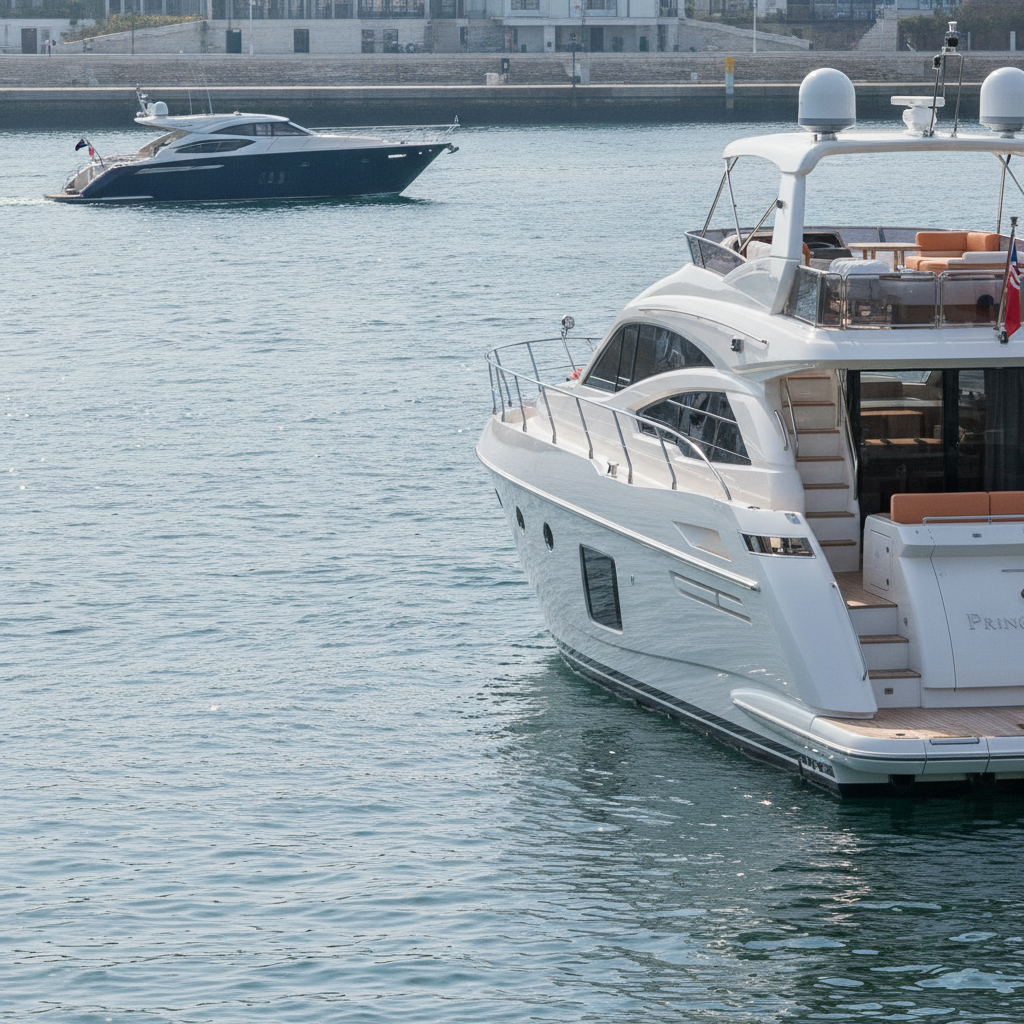
Cabin cruisers add living space below deck, transforming a boat from day-use vessel to floating accommodation. Berths for sleeping, galleys for cooking, and heads with shower facilities enable extended trips without returning to shore. This overnight capability opens cruising possibilities—island hopping, weekend getaways, and multi-day adventures become practical.
The complexity increases accordingly. More systems mean more potential failures and higher maintenance requirements. Cabin cruisers demand larger slips, consume more fuel, and cost more to insure. The reward is genuine cruising ability—the freedom to anchor in a quiet cove and wake up to sunrise over the water. For boaters who value destination flexibility over day-trip convenience, cabin cruisers deliver experiences other boat types simply cannot.
Sailboats: Wind-Powered Freedom
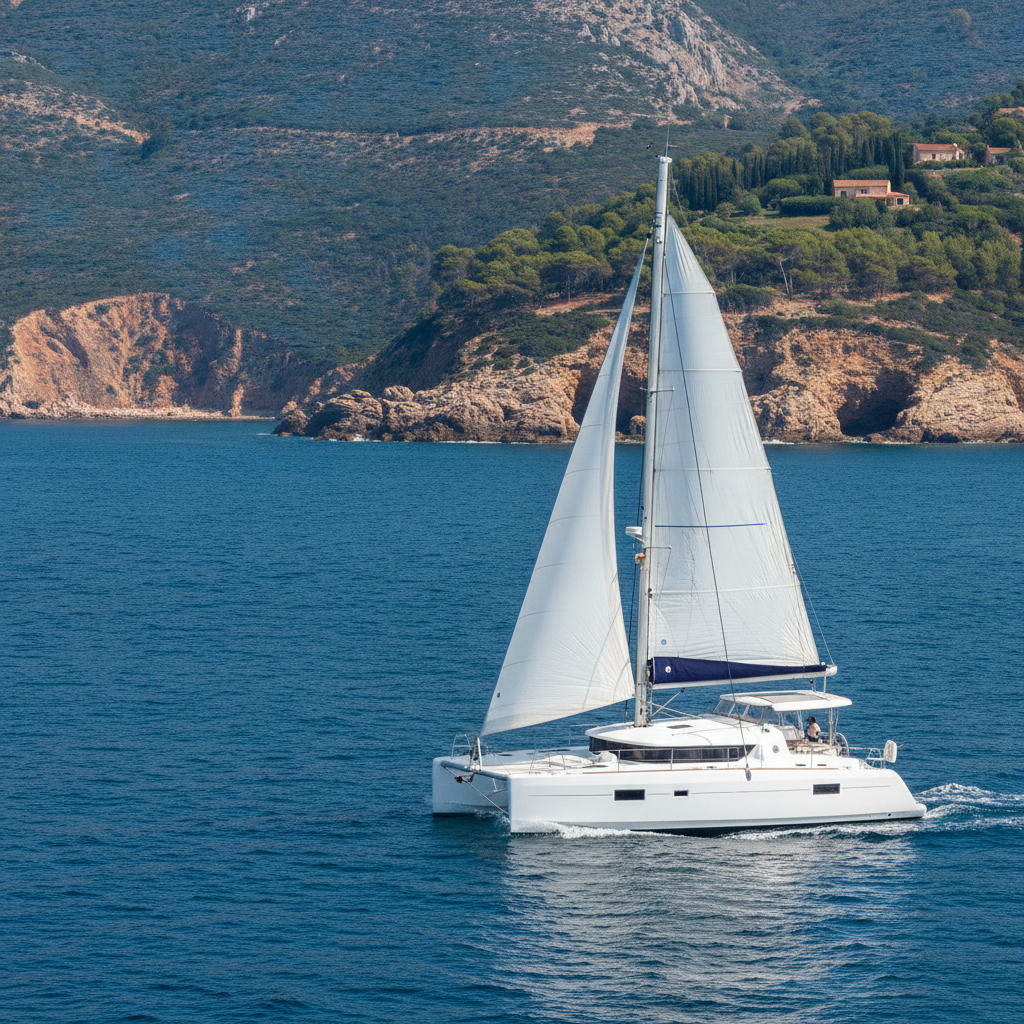
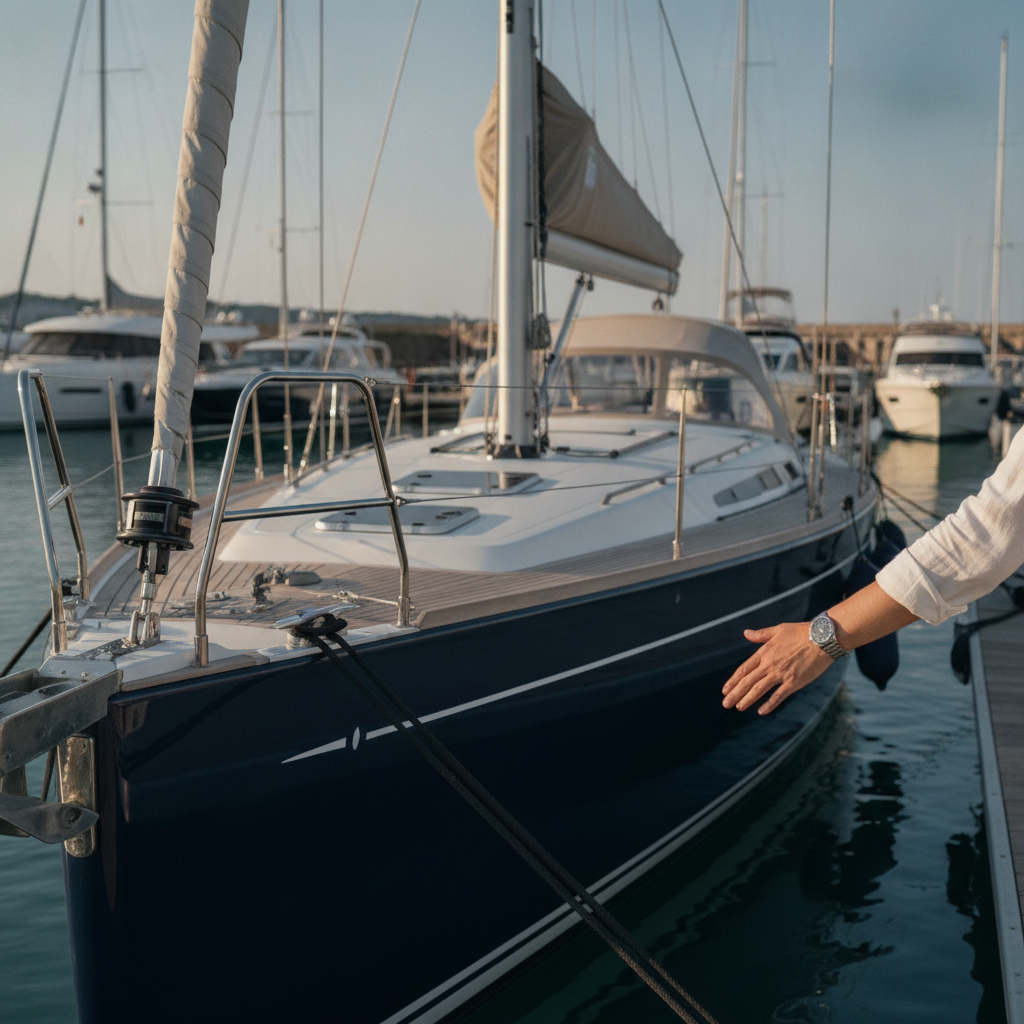
Sailboats offer a fundamentally different boating experience. Harnessing wind power reduces fuel costs dramatically—a compelling advantage as fuel prices fluctuate. The sailing experience itself attracts devoted enthusiasts who find motor boating comparatively unsatisfying. There’s genuine skill involved in reading wind and water, trimming sails, and navigating efficiently.
That skill requirement presents the primary barrier to entry. Sailing demands learning, practice, and ongoing attention. Unlike powerboats where throttle position largely determines speed and direction, sailboats require constant adjustment and awareness. Weather dependency also affects planning—calm days mean motoring anyway, and strong winds can cancel outings entirely. Those who embrace the learning curve often develop lifelong passion for sailing, but the commitment isn’t right for everyone.
Matching Water Conditions to Boat Type
Water type significantly influences which boats perform well. Protected lakes and rivers suit all five categories, though sailboats need sufficient wind and room to tack. Coastal waters with potential chop favour center consoles and cabin cruisers with deeper-V hulls. Pontoons and bowriders can handle coastal conditions on calm days but become uncomfortable or unsafe when weather turns. Offshore fishing demands the seakeeping ability of center consoles or larger sportfishing vessels.
Passenger capacity varies considerably across types. Pontoons accommodate the largest groups comfortably, followed by cabin cruisers and bowriders. Center consoles prioritise fishing space over passenger seating, and sailboats vary widely based on size and cockpit layout. Consider your typical crew—regularly boating with six or more people points toward pontoons or larger vessels, while couples or small groups have more flexibility.
When researching specific boats within these categories, Aiboatbuddy’s search tools allow filtering by boat type, helping narrow thousands of listings to vessels that match your requirements. This targeted approach saves time compared to browsing unfiltered listings.
Remember: Bowriders excel in watersports due to their open bow and sporty design.
✅ TIP: Research resale value of different boat types
Boat Types by the Numbers: Price and Size Comparison
Understanding typical price points and size ranges helps set realistic expectations before shopping. These figures represent average market positions—individual boats vary based on age, condition, brand, and equipment.
Bowriders typically range from 18 to 30 feet, with an average length around 24 ft. Average pricing sits near $87,500 USD, though entry-level models start lower and premium brands with powerful engines push significantly higher. The sweet spot for versatility often falls in the 20-24 foot range, balancing capability with trailering practicality.
Pontoons span 16 to 30 feet, averaging roughly 23 ft in length. The average price point of $57,500 USD makes them accessible for many buyers, particularly at the smaller end of the range. Triple-tube performance models with high-horsepower outboards command premium prices approaching or exceeding bowrider territory.
Center consoles show the widest range, from 17 to over 40 feet, with average length near 28 ft. Average pricing around $265,000 USD reflects the category’s extension into serious offshore fishing vessels. Smaller bay boats and flats boats at the entry level cost far less, while large offshore center consoles with multiple outboards can exceed the average significantly.
Cabin cruisers range from 25 to 45 feet and beyond, averaging approximately 35 ft. The average price of $275,000 USD reflects the complexity and capability these vessels provide. Entry-level express cruisers cost less, while larger motor yachts with extensive accommodations and systems push well above average.
Trailering remains practical for boats up to approximately 26 ft, though weight, beam, and towing vehicle capability also factor into the equation. Boats exceeding this length typically require marina storage, wet slips, or commercial transport for any relocation. This consideration affects ongoing costs substantially—marina storage runs significantly higher than keeping a trailer at home.
Sailboat pricing varies too widely for simple averages, ranging from a few thousand dollars for older daysailers to millions for bluewater cruising yachts. The used sailboat market offers remarkable value for buyers willing to accept older vessels, as fibreglass hulls last decades with proper maintenance.
Key takeaway: Bowriders average 24ft at $87,500.
How to Choose Your Ideal Boat Type: 5-Step Decision Framework
Systematic evaluation prevents emotional purchases that lead to regret. Work through these five steps before committing to any boat type.
Step 1: Define Primary Use
Be honest about how you’ll actually use the boat, not how you imagine using it ideally. Watersports enthusiasts need boats that create quality wakes and offer the power for pulling riders. Fishing requires casting space, fish-handling features, and appropriate hull design for target waters. Cruising prioritises comfort, range, and potentially overnight capability. Sailing means accepting the learning curve and different pace. Most buyers have one primary use with secondary interests—let the primary use drive the decision.
Step 2: Count Regular Passengers
Consider who actually comes boating with you regularly, not the maximum crowd you might theoretically host once yearly. A couple who occasionally brings friends has different needs than a family of six who boats every weekend. Oversizing for rare large-group outings means paying for unused capacity constantly. Right-sizing for typical use improves the experience while reducing costs.
Step 3: Assess Water Conditions and Location
Where you boat matters enormously. Small protected lakes accommodate almost any boat type. Large lakes with fetch that builds waves require more capable hulls. Coastal and offshore waters demand serious consideration of seakeeping ability. River boating has its own considerations around current and shallow areas. Match the boat’s design intent to your actual boating waters.
Step 4: Consider Storage and Transport Needs
Where will the boat live when not in use? Home storage with trailering offers flexibility and lower ongoing costs but limits boat size and requires a capable tow vehicle plus backing skills. Marina dry storage provides convenience at monthly cost. Wet slips suit larger boats but add expense and maintenance considerations from constant water exposure. Transport needs also affect boat choice—trailering a 25-foot boat differs substantially from trailering a 19-foot runabout.
Step 5: Set Realistic Budget Including Ongoing Costs
The purchase price represents only part of boat ownership cost. Insurance, storage, maintenance, fuel, and registration fees recur annually. Estimate these ongoing costs for any boat type under consideration. A boat that stretches your purchase budget leaves nothing for the reality of ownership expenses. Building in margin for unexpected repairs prevents the boat from becoming a financial burden that reduces enjoyment.
In short: Choose your ideal boat type by first defining its primary use.
⚠️ WARNING: Never Buy Without Testing: Wrong Boat = Thousands Lost
Start Your Boat Search with Confidence
Matching boat type to lifestyle produces satisfied owners who use their boats regularly and hold onto them for years. Mismatches create frustration, financial strain, and boats that sit unused before selling at a loss. The time invested in understanding these categories pays dividends throughout your ownership experience.
Armed with clarity about which boat type suits your needs, you can now search effectively. Aiboatbuddy’s boat search allows filtering by type, price range, length, and location—turning the overwhelming boat market into a focused list of genuine candidates. Compare listings across categories if you’re still deciding, or dive deep into your chosen type to find the specific boat that fits.
The right boat is out there. Understanding what you need helps you recognise it when you find it.
Bottom line: Matching lifestyle to boat type ensures satisfaction and longevity of use.
About the prices in this article: the dollar figures are indicative asking-price levels for the US market, compiled from public market overviews at the time of writing (snapshot: 2026). They are orientation points, not AI Boat Buddy dataset statistics and not completed sale prices — individual boats vary widely by age, condition and equipment.