What If Your Engine Could Tell You It’s About to Fail?
Picture this: you’re twenty nautical miles offshore, the afternoon sun is perfect, and your fishing spot is just ahead. Then your engine sputters, coughs, and dies. No warning. No prior indication. Just silence where there should be a reassuring hum. For thousands of boat owners each year, this scenario isn’t hypothetical—it’s a costly, sometimes dangerous reality that ruins trips, strains budgets, and tests patience.
📋 Quick Summary
- Monitor Key Parameters: Temp, Vibration, Fuel Flow, Oil Pressure
- Analyze Data in Real-Time: AI Detects Anomalies, Predicts Issues
- Alert Before Failure: Preventative Maintenance, Not Reactive
- Cut Unplanned Downtime — commercial operators report substantial reductions: Savings on Repairs, Towing, Lost Time
But what if your engine could communicate its distress signals before reaching the point of failure? AI diagnostic technology, long established in commercial shipping, is now making its way into recreational boating. This shift promises to change how owners approach maintenance—moving from reactive repairs to proactive intervention. This article explores what AI boat engine diagnostic systems can realistically offer, where the technology stands today, and what limitations you should understand before embracing these tools.
In short: An engine warning system could prevent unexpected failures at sea.
✅ TIP: Install AI-based diagnostic system for real-time engine health monitoring.
Why Predictive Maintenance Matters for Boat Owners
Traditional marine engine maintenance follows a calendar. Change the oil every 100 hours. Replace impellers annually. Inspect belts at the start of each season. This time-based approach served boaters for decades, but it carries an inherent flaw: it assumes all engines degrade at the same predictable rate. They don’t. Your engine’s actual condition depends on how you use it, where you operate, fuel quality, and countless other variables that a maintenance schedule cannot account for.
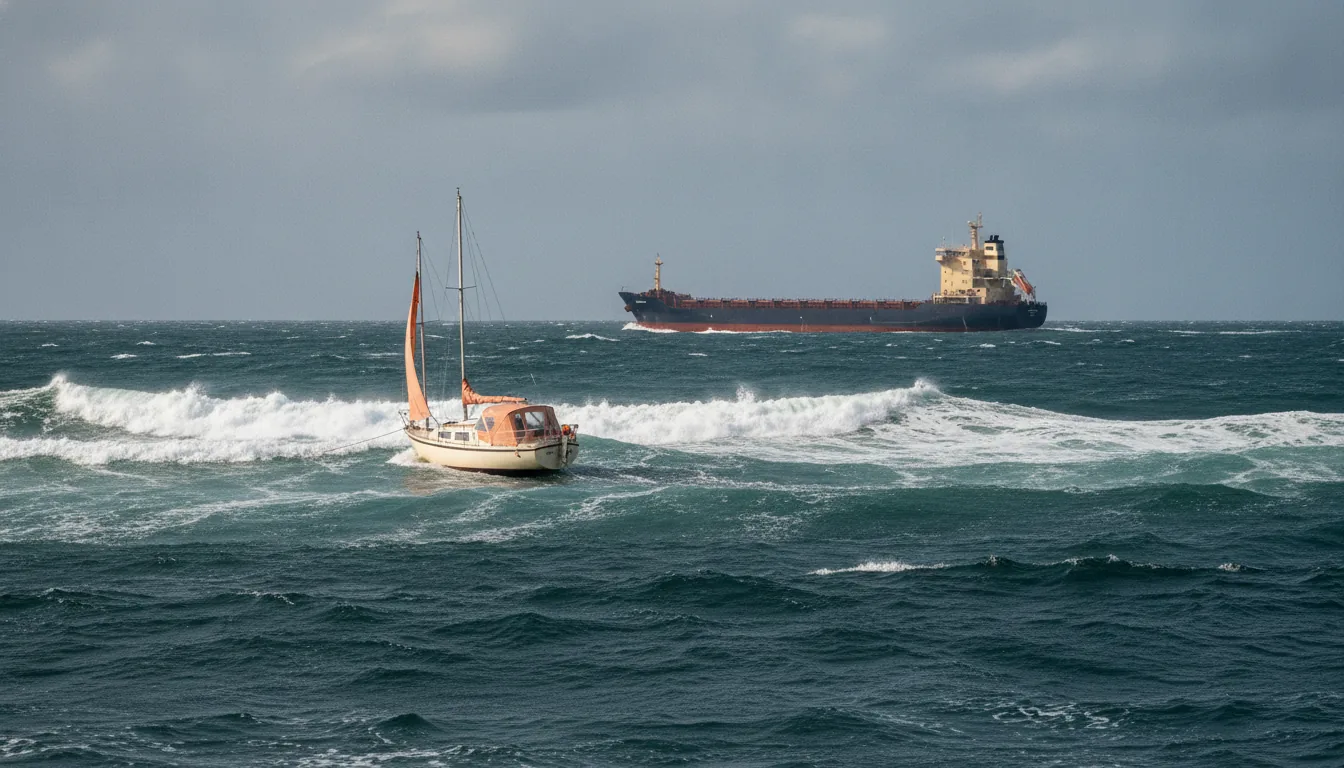
The consequences of unexpected breakdowns extend beyond inconvenience. Safety becomes a genuine concern when propulsion fails in challenging conditions—strong currents, deteriorating weather, or busy shipping lanes. The financial impact compounds quickly: emergency towing, expedited parts shipping, marina labour rates, and potentially a ruined charter or holiday. Perhaps most frustrating is the psychological toll: that nagging uncertainty every time you turn the key, wondering if today’s the day something fails.
Commercial shipping recognised these problems years ago and invested heavily in condition-based monitoring. According to the Lloyd’s Register Maritime AI Report 2024, artificial intelligence adoption in maritime operations has accelerated significantly, with predictive maintenance representing one of the most mature applications. The technology that protects cargo vessels and cruise ships is now filtering down to the recreational market, offering boat owners access to diagnostic capabilities previously reserved for professional maritime operations.
Bottom line: Predictive Maintenance adapts to individual boat usage and conditions, unlike traditional time-based maintenance.
✅ TIP: Regularly review AI alerts and follow recommended maintenance actions.
How AI Boat Engine Diagnostics Actually Work
Understanding AI diagnostic systems requires separating marketing promises from technical reality. At their core, these systems continuously monitor key engine parameters: temperature across multiple points, vibration patterns, fuel flow rates, oil pressure, and exhaust characteristics. Sensors collect this data constantly while the engine operates, creating a detailed picture of performance over time.
The artificial intelligence component analyses this stream of information, learning what normal operation looks like for your specific engine in your specific conditions. When readings deviate from established patterns, the system flags anomalies. A gradual temperature increase in one cylinder, an unusual vibration frequency, or subtle changes in fuel consumption might indicate developing problems—issues so minor that human observation would miss them entirely until they manifested as obvious symptoms.
Commercial shipping demonstrates what’s possible when these systems reach maturity. Wärtsilä’s predictive maintenance platforms can identify potential failures up to 72 hours before they would otherwise occur. This early warning window transforms maintenance planning: instead of emergency repairs at sea, operators schedule interventions at convenient ports with parts ready and specialists available. The distinction matters enormously—this is early warning, not failure prevention. The technology alerts you to developing problems; it cannot stop components from wearing or systems from degrading.
For recreational boaters, several tools now offer varying levels of AI-assisted diagnostics. Wärtsilä’s commercial systems represent the gold standard but target larger vessels with professional crews. Furuno’s HermAce platform provides remote monitoring capabilities suited to yacht owners who want oversight without constant physical presence. For smaller recreational craft, YachtWave’s AI Mechanic offers an entry point into predictive diagnostics, bringing condition monitoring to a broader audience.
When researching a used boat, ask the seller specifically whether the engine has modern monitoring or management systems fitted, and request any service records these systems have produced. This matters particularly in the used boat market, where understanding a vessel’s diagnostic history and monitoring infrastructure influences both maintenance expectations and long-term ownership costs.
Honesty about limitations serves boat owners better than exaggerated promises. Predictive accuracy depends entirely on sensor coverage—systems can only analyse what they measure. Blind spots exist. AI diagnostics complement regular maintenance rather than replacing it. Your engine still needs oil changes, impeller inspections, and belt replacements according to manufacturer guidelines. What changes is your awareness of developing issues between those scheduled services. Think of AI diagnostics as an additional layer of vigilance, not a substitute for established maintenance practices.
The gap between commercial and recreational systems remains substantial. Commercial maritime operations install comprehensive sensor arrays monitored by dedicated technical staff. Recreational systems typically use fewer sensors and rely on owners to interpret alerts correctly. Managing expectations matters: the 72-hour warning window achieved in commercial shipping reflects infrastructure investments that most recreational boats don’t match.
Remember: AI boat engines track temps, vibes, fuel, oil, & exhaust to predict issues
✅ TIP: Keep spare parts on board based on AI predictive failures.
The Numbers Behind AI Marine Diagnostics
Quantifying AI diagnostic benefits requires examining available data carefully. Commercial maritime operations provide the clearest metrics because these businesses track performance rigorously. The early warning capability demonstrated in commercial shipping—identifying potential failures 72 hours before they would otherwise occur—represents the current state of the art when comprehensive monitoring systems are properly implemented and maintained.
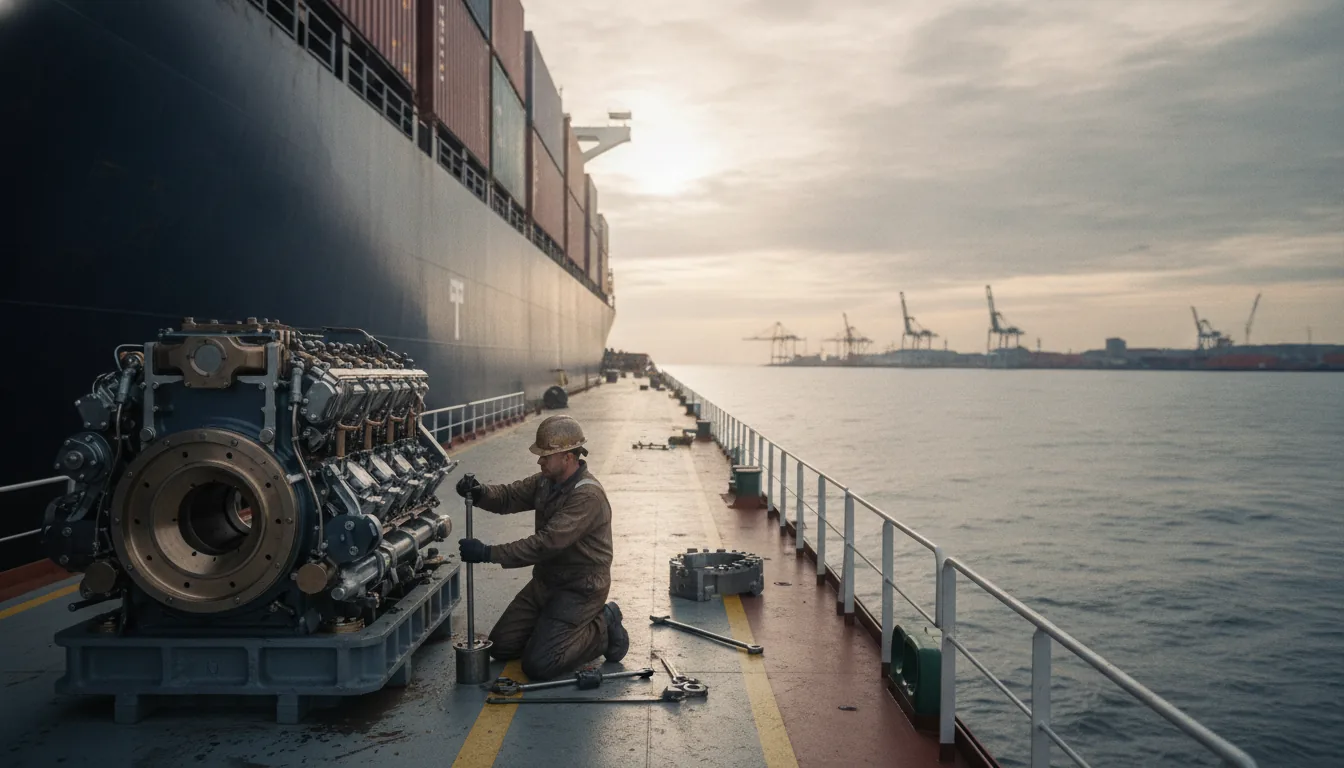
The financial stakes in commercial operations illustrate why this technology gained traction there first. Emergency repairs at sea for commercial vessels average USD 75,000 per day when accounting for parts, labour, delays, and associated costs. These figures explain the substantial investments shipping companies make in predictive systems—the return on investment is clear when a single avoided emergency can offset years of monitoring expenses.
Market analysis from Grand View Research confirms that maritime artificial intelligence represents a growing sector, with predictive maintenance applications driving significant adoption. The Thetius report on AI equipment maintenance at sea further documents how these technologies are transforming operational practices across the maritime industry. While specific market projections vary between analysts, the directional trend is consistent: AI-assisted maintenance is becoming standard practice in professional marine operations.
Translating commercial statistics to recreational contexts requires caution. Smaller boats face different failure modes, operate in different patterns, and have different cost structures. The USD 75,000 daily emergency cost applies to commercial operations, not your weekend cruiser. What transfers more directly is the principle: early detection of developing problems allows planned intervention rather than emergency response, with proportional benefits at every scale.
Key takeaway: AI marine diagnostics can predict failures up to 72 hours ahead, proven in commercial shipping.
Getting Started with AI Engine Monitoring on Your Boat
Implementing AI diagnostics on a recreational vessel involves several practical steps, each requiring honest assessment of your situation and goals.
Start by evaluating your current engine and existing sensor infrastructure. Modern engines often include basic monitoring capabilities—temperature sensors, oil pressure switches, and engine management computers that log operational data. Understanding what’s already installed helps identify gaps and determines which diagnostic systems are compatible with your setup. Older engines may require additional sensors, while newer installations might integrate readily with aftermarket monitoring platforms.
Research compatible monitoring systems thoroughly before purchasing. Not every diagnostic tool works with every engine, and integration challenges can undermine theoretical benefits. YachtWave AI Mechanic offers one option for recreational boaters seeking accessible entry into predictive diagnostics. Evaluate what parameters each system monitors, how it communicates alerts, and what ongoing costs or subscriptions apply. Reading user experiences from owners with similar vessels provides practical insight that marketing materials often omit.
Consider professional installation for sensor placement and system configuration. Proper sensor positioning affects data quality, which directly impacts diagnostic accuracy. A temperature sensor in a suboptimal location might miss the thermal signature of a developing problem. Marine electronics technicians familiar with diagnostic systems understand these nuances and can optimise installations for your specific engine configuration.
Learning to interpret alerts without overreacting takes time and experience. Early-stage diagnostic systems produce both meaningful warnings and false positives. Understanding which alerts demand immediate attention and which warrant monitoring develops through familiarity with your system and engine. Resist the temptation to rush to the mechanic after every notification—context matters, and patterns over time reveal more than isolated readings.
Continue regular maintenance alongside AI monitoring. This point deserves emphasis: diagnostic systems observe and alert, but they don’t perform maintenance. Your engine still requires the same care it always did. What changes is your awareness of condition between scheduled services and your ability to catch developing problems before they escalate. The combination of scheduled maintenance and condition monitoring provides more comprehensive protection than either approach alone.
In short: Evaluate your boat’s engine and sensors to plan AI diagnostics integration.
⚠️ WARNING: Never Ignore Unusual Engine Noises: Delay could lead to catastrophic failure and expensive repairs.
Smarter Maintenance Starts with Better Information
AI boat engine diagnostics represent a genuine technological advancement, but understanding their proper role matters more than embracing them uncritically. These systems offer early warning capabilities, not failure guarantees. They detect anomalies and flag potential problems, giving owners the opportunity to investigate and intervene before minor issues become major repairs. That value proposition—advance notice and planning time—constitutes their real benefit.
The technology continues evolving as capabilities proven in commercial shipping filter into recreational applications. What’s available today for weekend boaters is more limited than what protects container ships, but the gap narrows as sensors become cheaper, software more sophisticated, and boat builders integrate monitoring into new designs. Early adopters shape this market, and their experiences influence how these tools develop.
For boat owners weighing whether AI diagnostics fit their needs, the calculus involves vessel value, usage patterns, and personal tolerance for uncertainty. High-use boats, vessels operating in remote areas, or owners who simply want additional peace of mind may find monitoring systems justify their cost. Others may reasonably conclude that diligent scheduled maintenance serves their needs adequately.
Whatever your decision, better information enables better choices. Aiboatbuddy provides resources for finding boats, researching vessel specifications, and understanding what features different models offer—including modern engine management and monitoring capabilities. Whether you’re buying, selling, or simply maintaining your current vessel, informed decisions start with reliable information about what’s possible and what’s practical in today’s marine technology landscape.
Bottom line: AI boat engine diagnostics provide early warnings for potential issues, enabling proactive maintenance.