Are You Paying Too Much for That Boat?
When you spot a boat listed at £150,000, do you know what it will actually sell for? Most buyers assume the asking price is the starting point for negotiations, but few understand just how significant the gap between listing price and final transaction price can be. This knowledge gap costs buyers thousands every year.
📋 Quick Summary
- Understand Asking vs Selling Price
- Boats Sell for 87% of Asking Price
- Sellers Build 12% Negotiation Room
- Know Market Dynamics to Save Thousands
The difference between what sellers ask and what buyers ultimately pay represents one of the most important dynamics in the marine market. Sellers routinely build negotiation room into their asking prices, while buyers who understand this can secure substantially better deals. The question is not whether there is a gap, but how large it is and how you can use this information to your advantage.
This article breaks down the real data on boat transaction prices, revealing exactly what percentage of the asking price boats typically sell for and providing you with practical strategies to negotiate from a position of knowledge rather than guesswork.
In short: Boat listings often sell for less than their asking price, costing buyers thousands.
✅ TIP: Research sold boat prices in target area.
Why Understanding the Price Gap Matters for Every Boat Buyer
The financial impact of not understanding the asking versus selling price dynamic can be substantial. On a boat listed at £200,000, the difference between paying full asking price and negotiating effectively could represent £20,000 or more. That money could fund years of maintenance, marina fees, or significant upgrades.
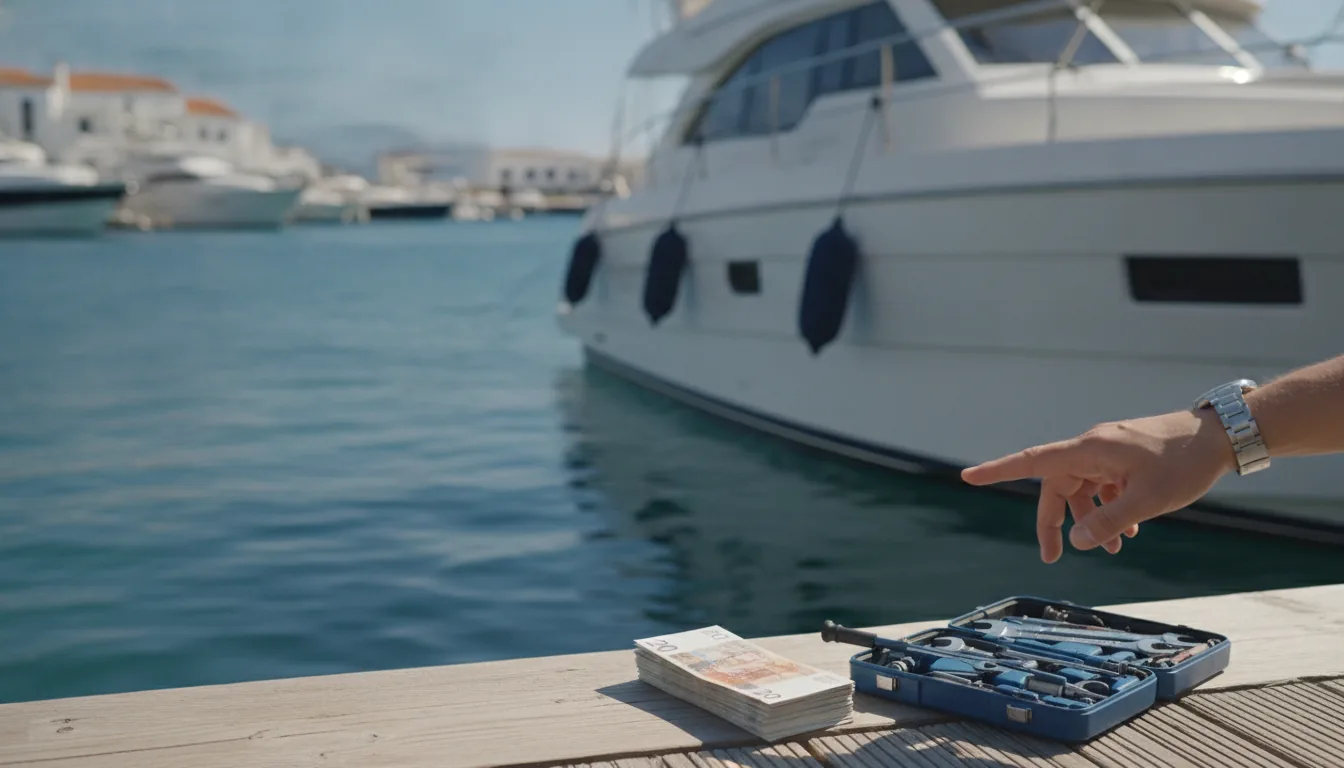
Sellers typically build approximately 12% negotiation room into their asking prices. This is not deception but standard market practice. Experienced sellers expect negotiations and price their vessels accordingly. When you pay full asking price without negotiation, you are essentially leaving money on the table that the seller anticipated giving up.
However, understanding the price gap works both ways. Buyers who dramatically underbid risk losing excellent boats to more reasonable offers. The goal is not to lowball aggressively but to understand where the realistic transaction range lies. A boat worth purchasing at 90% of asking might be snapped up by another buyer while you haggle for 70%.
Market transparency ultimately benefits both parties. Buyers who understand typical discounts make realistic offers that sellers can accept. Sellers who price appropriately attract serious buyers and avoid months of frustrating negotiations. When both sides understand the market dynamics, transactions happen more smoothly and both parties walk away satisfied.
Bottom line: Negotiating effectively on a £200k boat can save over £20k for maintenance, marina fees, or upgrades.
✅ TIP: Offer 10-15% below asking for negotiation room.
How Much Do Boats Really Sell For? Breaking Down the Numbers
The data tells a clear story: boats typically sell at 87% of their asking price. This means the average transaction involves a 13% discount from the listed price. However, this average conceals significant variation depending on how the boat was priced initially and market conditions at the time of sale.
Well-priced boats, those listed at realistic market values from the start, typically sell with only a 5-10% discount. These vessels attract serious interest quickly, and buyers recognise they cannot negotiate as aggressively without risking losing the boat to a competitor. Sellers who price realistically often achieve faster sales and spend less on ongoing costs like marina fees and insurance during the selling period.
Overpriced boats tell a different story. When sellers set unrealistic asking prices, the market eventually forces corrections. These vessels commonly sell at 15-20% below their asking price, though only after extended time on the market. The initial overpricing creates buyer scepticism, and even when prices drop, the stigma of a long listing can suppress final transaction values.
Low-ball offers, those coming in at 30% or more below asking price, face a different problem entirely. While buyers making these offers hope to find desperate sellers, the reality is that most sellers simply reject such offers outright. These extreme offers often end negotiations before they begin and can damage the buyer’s credibility for future offers on other vessels.
Several factors determine how much negotiation room exists on any particular boat. Condition and presentation matter enormously. A boat that shows well, with clean topsides, maintained systems, and organised documentation, commands prices closer to asking. Vessels that clearly need work provide buyers with tangible justification for larger discounts.
Time on market significantly affects seller flexibility. The data shows new boats spend an average of 243 days on the market, while used boats average 165 days. As these days accumulate, sellers face ongoing costs and growing motivation to close deals. A boat listed for twice the average market time typically comes with substantially more negotiation room than a fresh listing.
Seasonal timing influences negotiating dynamics as well. Spring represents peak buying season in most markets, giving sellers the advantage of higher demand and often multiple interested parties. Buying in autumn or winter, when demand drops, typically provides more negotiating leverage for buyers willing to complete transactions during the off-season.
Survey findings represent one of the most powerful negotiation tools available to buyers. A professional marine survey that identifies necessary repairs, deferred maintenance, or condition issues provides objective justification for price reductions. Sellers find it difficult to argue against documented findings from a qualified surveyor, making survey results an effective basis for post-offer negotiations.
When multiple buyers express interest in the same vessel, seller flexibility diminishes rapidly. Competition among buyers can push final prices closer to asking or even generate bidding situations. Monitoring how much interest a boat attracts helps buyers calibrate their negotiation approach. Tools like Aiboatbuddy allow you to compare prices across multiple listings, helping you identify which boats are competitively priced and where negotiation room likely exists.
Remember: Boats usually sell for 87% of their asking price.
✅ TIP: Be prepared to walk away if seller won’t budge.
2024-2025 Boat Market Data: Prices and Trends
Current market data provides essential context for understanding where boat prices stand and how transaction values have shifted. The global average sold price now sits at $203,000, representing a 2.4% increase from previous periods. This upward trend reflects continued demand despite broader economic pressures.
Interestingly, used boats now command higher average prices than new vessels. The used boat average price has reached $211,500, up 4.2% from the previous period. This premium reflects the current availability dynamics and buyer preferences for immediately available, proven vessels over factory orders with extended delivery times.
New boat average prices have actually declined, now sitting at $174,000, down 3.4%. This decrease reflects manufacturers working through inventory and increased competition in the new boat segment. For buyers considering new versus used, these trends suggest used boats may require more aggressive negotiation to achieve value pricing.
The USA market shows somewhat different dynamics, with an average sale price of $155,665. Regional variations in pricing reflect local economic conditions, popular boat types, and seasonal factors specific to different cruising grounds.
The scale of the market provides perspective on transaction volumes. Global sales in the first half of 2024 reached $4.22 billion across more than 20,000 transactions. This substantial market activity generates the data that informs our understanding of asking versus selling price dynamics.
Key takeaway: Used boat prices ($211,500) outpace new ones ($203,000), both rising despite economic pressures.
How to Negotiate the Best Price: A Step-by-Step Guide
Effective boat negotiation follows a logical process that maximises your chances of achieving a fair price while maintaining a constructive relationship with the seller. Following these steps systematically improves outcomes.
First, research comparable sales thoroughly before making any offer. Understanding what similar boats have actually sold for provides the foundation for realistic offers. Platforms like Aiboatbuddy allow you to compare current listings across multiple sources, helping you establish whether a particular boat is priced competitively, aggressively, or optimistically relative to the market.
Second, investigate how long the boat has been listed. Time on market directly correlates with seller motivation and negotiation flexibility. A boat listed for 300 days carries different dynamics than one listed for 30 days. Longer listings typically indicate either overpricing or undisclosed issues, both of which support lower offers.
Third, consider seasonal timing in your negotiation strategy. Spring buying seasons favour sellers with higher demand and more buyer competition. If your timeline permits flexibility, shopping during autumn and winter months typically provides more negotiating leverage. Sellers facing another season of holding costs often show increased flexibility.
Fourth, commission a professional marine survey and use the findings strategically. Survey results provide objective documentation of the boat’s actual condition versus its presented condition. Necessary repairs, safety issues, or deferred maintenance items all justify price adjustments. Present survey findings professionally and request specific adjustments tied to documented issues.
Fifth, structure your initial offer appropriately. Starting at 10-15% below asking price provides room for negotiation while remaining within the range sellers typically consider reasonable. This approach keeps discussions constructive while establishing that you expect some discount from the listed price.
Sixth, maintain willingness to walk away. The most powerful negotiating position comes from genuine alternatives. If you can credibly walk away from a deal, sellers recognise your limits and often improve their positions. Emotional attachment to a specific boat before securing acceptable terms weakens your negotiating stance significantly.
In short: Thoroughly research comparable boat sales to make realistic offers.
⚠️ WARNING: Beware: Never Pay Full Asking Price Without Negotiating
Make Your Next Boat Purchase a Smart One
The data is clear: boats sell at 87% of asking price on average. This 10% typical discount represents significant money on any substantial purchase. Armed with this knowledge, you can approach negotiations with realistic expectations and appropriate strategies.
Understanding market dynamics transforms you from a hopeful buyer into an informed negotiator. Knowing that sellers build in approximately 12% negotiation room, that well-priced boats discount less than overpriced ones, and that time on market increases flexibility allows you to calibrate every offer appropriately.
Knowledge genuinely is power in boat negotiations. Buyers who understand typical transaction ranges, recognise the factors that influence seller flexibility, and follow systematic negotiation processes consistently achieve better outcomes than those who guess or accept asking prices without question.
Start your search with confidence. Use Aiboatbuddy to compare listings across the market, identify competitively priced vessels, and make informed offers based on real market data. Your next boat purchase should reflect smart research and effective negotiation, not overpayment due to information gaps.
Bottom line: Use average boat pricing data to negotiate effectively.
About the prices in this article: the dollar figures are indicative asking-price levels for the US market, compiled from public market overviews at the time of writing (snapshot: 2026). They are orientation points, not AI Boat Buddy dataset statistics and not completed sale prices — individual boats vary widely by age, condition and equipment.